9th August 2026

“A blossoming romance”
- Tim Longville, Period Living
"Gold Standard"
- Nichola Stocken - The English Garden
"Amongst 12 of Best Secret Gardens in the UK"
- Tania Pascoe, Guardian
"Hidden and Romantic"
- Roger Last, Norfolk Gardens
"Secret Garden"
- Uniquely Away Summer
"Dream gardens"
- Widget Finn, Gardens Illustrated
"Paradise regained"
- Stephen Lacey, Beautiful Britain
“The impressive garden of a 15th century moated house… where old meets new”
- Jackie Bennett, The English Garden
“Perfect in every detail”
- Leslie Geddes-Brown, Country Life
"Water-encircled harmony"
- Annie Green-Armytage, Landscape
"Inspirational gardens from around the world"
- Claire Takacs, Dreamscapes

9th August 2026

Welcome

Still no forecast for rain and we are gradually adjusting to the heat- starting work earlier and sometimes working in the evening. We have had to select what gets watered as there are too many plants to water individually. The Vegetables take priority as they are annuals, but the Globe Artichokes, Rhubarb and Asparagus must take their chance, and we hope their roots are deep enough. The Figs have been stupendous and flourished in the heat.

In the garden the Pots get watered, and we are trying to water the newer roses – all this with watering cans so quite laborious.

Some of the plants are beginning to change to their Autumn colours – the large Parrotia Persica in the Daffodil area is already colouring.

In the Bog garden the water level is low but there is water and the Lobelia and Ligularia are flowering.

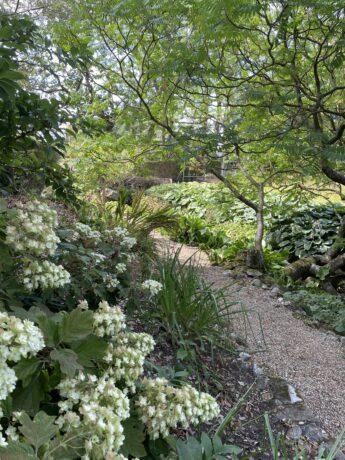
The Autumn Border and the Water Garden both enjoy the shade offered by the giant Holme Oak and Whitebeam trees. The Oak leafed Hydrangea fare better than most hydrangeas in these hot conditions. Beside the path in the water garden and facing North they continue to flower long after their companions of  Hosta and Hemerocallis.

Blue is a colour, not often seen in the summer garden. Currently we have. Agapanthus, and Ceratostigma -at the bottom of the West Lawn with blue flowers and leaves which turn to aubergine.  Perovskia -is thriving in the sun as too the Hibiscus in the Water Garden.

Canna, which one might have thought would love this weather, have been very disappointing. The ones left in the ground to over -winter have not reappeared- despite a mulch, and the ones transferred from the Greenhouse, where they spent their winter, are not looking as if they will flower this summer. A similar story for the Ginger (Hedychium gardnerianum) along the back wall of the West lawn.

The Nut Walk is a shady area to walk-said to be for the ladies of the House to exercise without the sun touching their fair skins. Next to that is the Wild Garden left for the Hedgehogs who are sheltering there from the sun. The ancient Mulberry has prospered in the heat producing lots of berries but the Quince in that garden is in a poor way.

The hedge along the Moat has been cut using ladders, saws, ropes and a boat- follow us on Facebook to see.

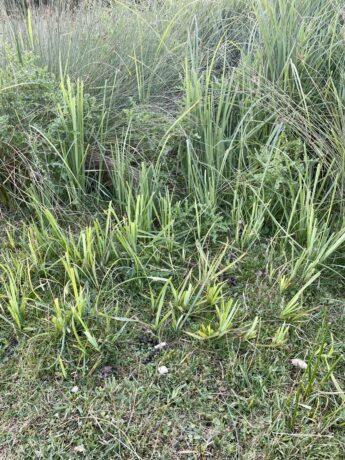
The Sheep in the Fishponds have resorted to eating reeds to get their nourishment now that the grass is brown

A huge amount of House Martins are circling around and their nests can be seen under the eaves of the Hall. This week we have seen Yellow Wagtail, Green Woodpeckers, and Hummingbird Moths, whilst Herons are back in the Fishponds.

Stay healthy and good gardening

LyndaTucker
                           

Visit our Facebook page for further updates and photography
Visit our Instagram page for further updates and photography
2nd August 2026

Welcome,

The dry weather continues and so too the need for water. We can use our Bore hole and water from the Moat- both of which are low and are used as little as possible. Certain plants, such as Vegetables, are annuals and would die without water. Others, we must hope their roots are deep enough, and they will survive as we cannot water everything. I never dreamt I would look forward to rain!!

We are digging up our Potatoes- Charlotte, and whereas we usually leave them to dry are putting them into sacks straight away.

The herbs have been cut down but some are ready for a second trim, and the Fig tree is enjoying the weather and is covered with Figs.

We have placed Frames to support Cucurbits- such as Tromboncino. When young, up to 1ft, this can be picked as a courgette but technically it’s a variety of squash and if left to grow can reach 1 metre.

The Lavender has been cut down and the Summer fruiting Raspberries, the Asparagus and Rhubarb are left to die back.

The Greenhouse is full of Tomato plants although some of the seeds seem not to be what they said on the packet.

The Buddljea on the Moat bank is a mass of butterflies and bees and you might notice the nice perfume the plants give off.

The water level in the Bog garden is low. Thalia dealbata is the name of the tall plants with long stalks and purple flowers that grow there.

Cutting the back of the hedge situated between the Moat and drive is a difficult operation involving a skilful operator with ladders in the Moat and a boat to take the cut branches away.

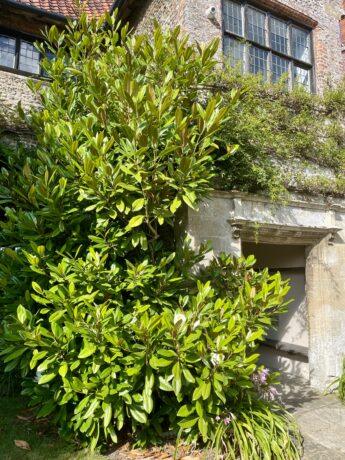
The Crinums are in flower at the front of the Hall and the Magnolia Grandiflora at the side of the Porch. The rose in flower on the side wall is Leverkusen- a repeat flowering rambling rose.

The self-seeding geraniums in the gravel at the bottom of the West lawn have been cut down but are about to flower again. The beautiful seed heads are from the Nigella (or love in a mist) and the Eupatorium has seeded itself from the other side of the Moat.

The wild Garden has been left uncut because of the hedgehogs sheltering there from the heat. The Mulberry tree planted there has never had so much fruit and has thrived in the heat.

Despite the heat the Moat has remained clear of algae and you will see the Carp taking the insects off the top of the water.

Take time to listen to the birdsong, smell the roses and look at the plants-

Stay healthy and good gardening

Lynda Tucker

Visit our Facebook page for further updates and photography
Visit our Instagram page for further updates and photography
26 July 2026

Welcome,

This year we have encountered Honey Fungus, Box Caterpillar, Box Blight, extremes of heat and drought, and  now a hose pipe ban. Gardening is nothing if not a challenge.

The beans are flourishing and the excess will be on sale. Runner Beans are taking over from the French Beans. Beetroot is ready for lifting but not yet the Onions. The Sweet Corn is ready but Courgettes and Squashes are not. Our Summer Raspberries have been cut down but the Autumn variety is not looking too good.

We have started picking apples- 2 weeks earlier than usual, and as for the Figs- one tree has no figs at all and the other only an average yield.

It’s been the worst year ever for Sweet Peas- do I blame the potting compost, too hot when sown, lack of water or the fact that the wonderful Mr Matthewman has retired and no longer supplies his seeds?

The Senecio bank is being dead headed and the Delphiniums in the Iris bed cut to the ground, fed and watered.

Take care walking in the Fishponds- the ground has dried leaving cracks and it’s even too hard for the moles to come up. The Black Hebridean Sheep have resorted to eating the lush green Reeds and Sedge in preference to the dried grass but they have easy access to water.

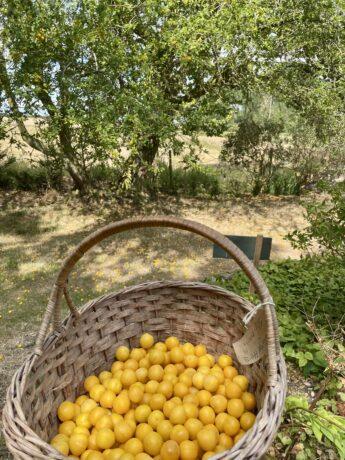
The Mirabelle Plum Tree in the Water Garden has been devasted by the strong winds and almost the entire crop lies on the ground. Our winter supply of jam comes from this tree tasting like a cross between apricots and marmalade. Both yellow and red Mirabelle can be found growing wild in hedgerows and in the UK this delicious fruit is mainly ignored but in the Lorraine region of France it is much sought after and they even hold annual special Mirabelle Festivals.

Enjoying the shade in the Water Garden is the Oak-leaved Hydrangea with its creamy white flowers. The large deeply lobed leaves will turn red and purple in the Autumn adding to its interest in the garden.

Don’t miss the shrub Lespedeza Thunbergii growing in the West lawn. It’s pea-like purple flowers grow in long trusses and usually starts to flower in September

Enjoy the cool shade of the Nut Walk. Hedgehogs are still in the Wild Garden enjoying the shade offered by the tall grass which we are delaying cutting it back. The House Martins have had a second hatch and are busy under the eaves at the back of the Hall and there are new ducklings on the Moat.

The Carp are flourishing and clearly visible through the water and you might see an Eel – first in a long time.

Less than usual Dragon Flies but plenty of butterflies.

Stay healthy and good gardening

Lynda Tucker

Visit our Facebook page for further updates and photography
Visit our Instagram page for further updates and photography
19th July 2026

Welcome

In the Vegetable garden our own very special Mummy Pea has finished early and we are leaving it for seed. The Potatoes can now be dug up, and the soft fruit, Asparagus and Rhubarb are all finished and waiting to be cut back. Salad and bean crops will continue to require water – either from cans or the Moat.

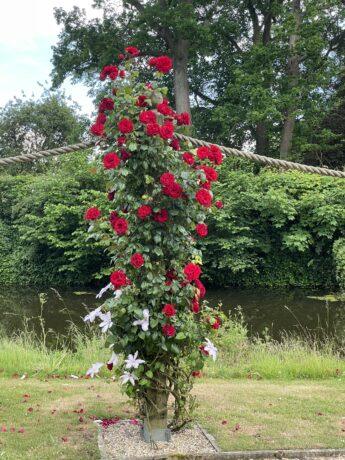
The roses flowered early this year; those that were repeat flowering were dead headed. The American Pillar rose on the Pergola in the Vegetable Garden is nonrepeating.

The Iris and Delphiniums in the long bed by the Greenhouse have been cut down. One, to let the sun ripen their rhizomes, the other, in the hope of a second flowering. This very hot dry bank behind has been planted with rose Pink Bells as ground cover but it is struggling. Not so the blue chicory- Cichorrum pumilum which appeared one year and serves to provide blue flowers and some shade for the roses

The Dell is a haven of shade filled by large Chestnut trees, Hornbeam, Holm Oak, Snowdrops and Bluebells. When one of the large trees blew down the site was then exposed to sunlight and Silver Birch (Jacquemontii) and Chamomile were planted in the space created.

Don’t miss the medieval Fishponds which are mowed by the sheep and where the House Martins and Swifts reliably swoop in at 6pm to scoop up the water.

On the front of the Hall the Magnolia Grandiflora is in flower and beneath it the large pink Crinums. These members of the Lily family can survive for hundreds of years- ours were planted only 6 years ago but are clearly enjoying their sunny sheltered position.

In the West Lawn the large white flowers by the Urns are Romneya. Belonging to the Poppy family and enjoying the sunny sheltered position this plant is a native to southern California and drought tolerant.

The gravel at the bottom of the West lawn is home to a multitude of plants most of which have self -seeded. The Geranium Psilostemon has flowered and been cut to the ground where you might see it is now regrowing. The blue flowers of Nigella (Love in a Mist) have finished but it produces equally attractive striped seed pods. The Thrift and Californian Poppies have died down but there is a new addition, Eupatatorium, and its seeds must have blown over from across the moat where it is planted.

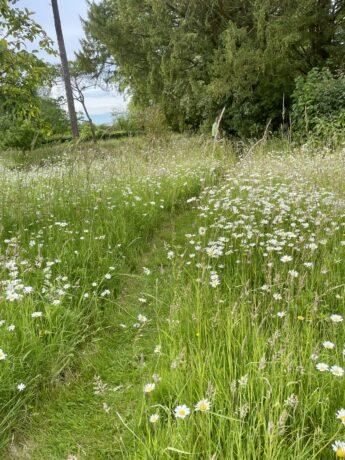
The Wild Garden gets cut once a year in July and should have been cut down. It starts off in the spring with the beautiful Fritillaria, Anemone Nemorosa and Blanda, then the White Geraniums and eventually it is taken over by the Ox Eye Daisy. This year Hedgehogs have taken shelter from the heat amongst the Vegetation, so we have delayed cutting and if you walk through, please do so carefully.

We have had a problem with Honey Fungus on our beautiful Pleached Hornbeam. With help from the RHS advice team (free to members) we have, we think, contained it. Ask if you want to know more.

Enjoy the song of over 40 reported birds in the gardens and look in the Moat for the nibbled water lily leaves  –  Carp!

Stay healthy and good gardening

Lynda Tucker

Visit our Facebook page for further updates and photography
Visit our Instagram page for further updates and photography
Welcome

Well, no hoses for the gardens in Norfolk and the temperature is still high.

The grass is suffering but will come back – albeit with weeds who managed to survive the conditions and find the bare patches which couldn’t.

Shrubs planted a while ago will hopefully have their roots deep enough and should survive. Some even flourish.

For the Vegetables it is different. They are annuals, without deep roots and relying on water to flourish and grow. Months of seed sowing and planting will come to nothing if the heat continues and they are not watered.

The Greenhouse is full of tomatoes- Marmande, which will be watered by hand using watering cans.

The Buddleja lining the Moat banks are in flower. Sometimes called butterfly-bush because of their attraction for butterflies, these easy to grow plants enjoy their position on a sunny well drained bank. All are grown from cuttings.

The Catalpa is in full flower in the Daffodil Shrubbery but its white flowers are best seen from across the Moat in the West lawn. Sometimes called the Indian Bean Tree, because of the bean-like seed pods it will later produce. This is the best we have seen it and clearly happy with the heat.

The Water Garden is shaded by the large Holme Oak and White Hornbeam, and the Hosta grow there quite happily. We will try to dead head promptly so they do not waste energy and will then direct their resources to their roots.

The red Persicaria lining the banks in the Water Garden provide much needed ground cover to this bank beneath the Buddleja Globosa.

When on the stone bridge you might look down to see that some  lily pads have small pieces cut out? You might be lucky and see one of the large carp taking a bite? This also might explain how the Water Lillies got distributed around the Moat- fish propelled?

We are not cutting the grass in the heat but are cutting flowers, such as the geraniums and Delphiniums, to give them a second chance to flower.  Rose dead heading continues but not on the Ramblers which will now wait for their November prune as flowering for this year is over.

The black Hebridean Sheep have all been sheared and moved back to the Fishponds. Without their woolly coats they are sometimes mistaken for goats. Without a market for their black wool, we use it as a mulch around trees to supress the weeds.

We have spotted two Hedgehogs – well camouflaged -so tread carefully and we are enjoying the many Dragon Flies and Butterflies in the garden. Wonderful smells in the garden when the sun warms the flowers so do pause, sniff and listen to the birdsong.

Stay healthy and good gardening

Lynda Tucker


Visit our Facebook page for further updates and photography
Visit our Instagram page for further updates and photography
5th July 2026

Welcome

The dry hot weather is continuing to pose a challenge. Watering is reserved mainly for the Vegetable Garden and any recently planted shrubs.

The roses came two weeks early this year and flourished in the heat. The Mirabel trees, which always crop heavily, have very few fruit on them and the Strawberries and Raspberries performed poorly from lack of water

Wherever possible I like to water at the roots, and this is done on the Beans with a perforated hose.

The Herbs have flowered and are getting cut back and we are picking Broad, Runner and French Beans, Cabbage, Chard, Spinach and digging our potatoes- Charlotte.

We are allowing the Asparagus to go to seed and will be cutting back the Rhubarb and the last of the Globe Artichokes.

The Greenhouse has been very hot. Our Tomatoes (Marmande) are planted inside and Tumbling Tom outside in the Milk Churns in the Herb Garden. As soon as possible we move new seedlings outside as we are finding them slow to germinate in the heat.

The yellow rose climbing the Ginkgo tree is Mermaid.

The Iris bed has been cut along with the Nepeta (in front). The Delphiniums are cut after flowering, fed and hopefully will flower again.

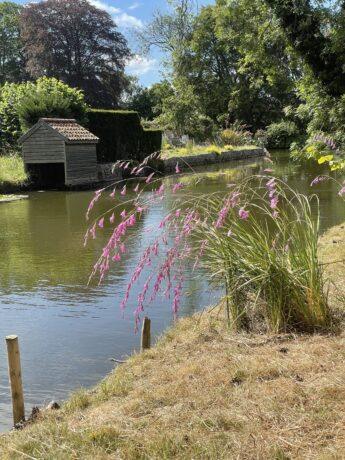
The Daffodils have all been cut to the ground and the pink Angels Fishing Rods (Dierama) are lining the edge of the Moat. The wild version of this plant can be seen growing in large clumps towards the shrubbery.

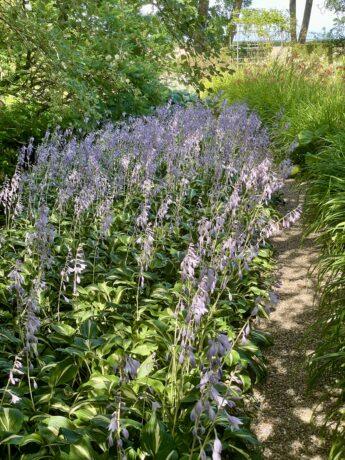
The Hosta are in flower lining the path in the stream gardens. This is a shady area, and the large Holme Oak and White Beam protect them from direct sunlight.

In the West Lawn the grass has suffered from the heat. We had the same problem last summer and made a huge effort to renovate and re sow last autumn. It faces south and West and if this hotter weather is to continue perhaps we will need to re-think?

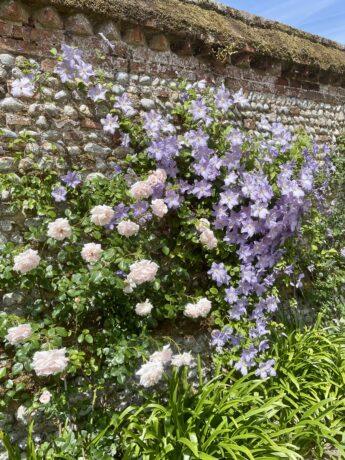
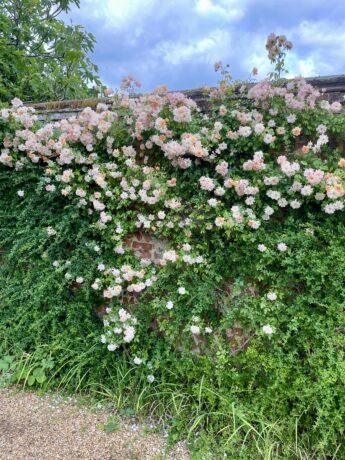
The pink rose growing on the back wall is Dorothy Perkins. It was first introduced in 1901 and is a rambler so enjoy whilst you may as it won’t repeat this year. To identify any roses in the garden, look for our tea towel in the Coffee Shop.

The bright red Crocosmia – Lucifer, is fully in flower and the small blue geranium is called Nimbus and seeds itself everywhere.

The plants in the gravel at the bottom of the West lawn have had a haircut but do not miss the beautiful white poppy-Romneya, growing in the flower bed behind.

The Wild Garden is left to go to seed and the Mulberry is full of fruit but none on the Quince. This is strange as the soil is quite damp, possibly the result of a very late frost?

The Ducks on the Moat have had a second brood and baby Rabbits quite at home inside the Moat. Look for the House Martins under the eaves at the back of the Hall and there is a list of over 40 birds seen in the gardens in the Coffee Shop.

  Stay healthy and good gardening

Lynda Tucker


Visit our Facebook page for further updates and photography
Visit our Instagram page for further updates and photography

28th June 2026

Welcome,

With such extra ordinary weather conditions, it is difficult deciding how best to garden. Some Rhododendrons are in bloom -months after their usual flowering season while others, like the Canna and Dahlia, are slow to come out of the ground.

The soft fruit is cropping well but lack of water has resulted in smaller Raspberries. The Herbs are mainly loving the heat but salads and early carrots and beetroot are struggling.

We try to water the roots of vegetables with perforated hoses wherever possible as we find that more efficient than using sprinklers.

Asparagus is being left to go to seed and we have had a bumper crop of Globe Artichokes. Beans and Peas have been planted along with the Squash and Pumpkins and Purple Sprouting Broccoli inside the fruit cage

The rose in flower in The Vegetable Garden is American Pillar and looking across the Moat the bank is lined with Phlomis and Oxeye Daisy.

The Water Lillies in the Moat all originated from a friend’s small garden pond which were re homed 10 years ago.

The Nepeta (Cat Mint) has been cut with the expectation of a second flowering. The Iris have also been cut but this is to prevent the wind catching the leaves and rocking the plant which could loosen the roots of the surface rhizomes.

The Daffodil areas have at last been cut using high mower settings in this hot weather

In the Water Garden, take the steps behind the laurel hedge where the Rhododendron are in flower.

The Honeysuckle climbing the large Holme Oak are in flower and producing a delightful scent.

The roses have finished their first flush of flowers and those that repeat are being dead headed for a second display. On the Pergolas we often plant a Clematis with them so that there is still something to see whilst waiting for the new flowers.

Other plants are now taking centre stage, and you will see Hosta, Hemerocallis, Hydrangea, Astrantia, Geraniums and Crocosmia.

In the gravel at the bottom of the West Lawn the Geranium and Oxeye daisy are being cut down and Verbena Bonariensis, Alchemilla Mollis, Larkspur and Nigella are in flower.

The walk back to the Coffee Shop is lined with Pleached Hornbeam. All very healthy except for one in the middle.! A problem with the bark was noticed last year and the nursery suggested wrapping the trunk with honey-soaked bandages. When it came into leaf this year we thought this has been successful, but it progressed more slowly than the others and the leaves were a lighter colour. It has now died and we have to decide how to proceed -which we will do with the help of the RHS Online Advice Form which is free to members

A visitor spotted a hedgehog in the Nut Walk – the first to be seen for many years and we have so many birds singing in the gardens. The Dragon Fly have returned and if you are in the Fishponds look for the Wild Orchids which appear at this time of year.

Stay healthy and good gardening

Lynda Tucker

Visit our Facebook page for further updates and photography
Visit our Instagram page for further updates and photography

21stJune 2026

Welcome,

Many plants are struggling in the current hot spell, and the Vegetable Garden would suffer without water. Elsewhere, apart from new plants, we do not water.

Some plants of course enjoy the heat and the mediterranean plants in the Herb Garden and Globe Artichokes are thriving.

The leaves of the Ginkgo tree outside the greenhouse are interesting and are said to look like Maidenhair ferns. The Ginkgo is one of the oldest living tree species in the world dating back to pre- dinosaur times- between 245 and 66 million years ago. The yellow rose growing up through the Ginkgo is Mermaid. The names of all the roses in the garden can be identified by the map on the tea towel in the Coffee Shop.

We had just started to cut down the daffodil areas. They have been fed with blood fish and bone and left to die back before cutting.

The water iris in the Bog garden have finished flowering and the Zantedeschia lining the banks are now the star performers.

Hemerocallis and Hosta are in full flower lining the path in the Stream garden-the effect achieved by constant lifting and dividing.

The West Lawn is a mass of colour and the gravel beside the edge the Moat is full of self- seeded plants including Geranium, Thrift, Californian Poppies, Oxeye daisy, Verbena Bonariensis, Larkspur and Nigella.

Looking across the Moat there is a white rose climbing up through the tree called Wedding Day- possibly 20ft high? With 104 different varieties of roses in the gardens there is a lot of dead heading going on! The majority are repeat flowering and by cutting off the dead flowers we will hope for a second display.

Enjoy the cool shade of the Nut Walk and walk through the chest high Oxeye daisies now dominating the Wild garden.

Beside the large Copper Beech on the main drive is a Liriodendron (Tulip tree) which still has a few flowers to be seen.

Over 40 birds have been spotted in the gardens this year and good to see the House Martins have returned and are nesting under the eaves of the Hall. Names of the birds can be seen in the Coffee Shop.

The Dragon Flies are back and Water Boatmen, Skaters and large Carp in the Moat. Some interesting Butterflies, including the Brimstone, are acting as pollinators and widely considered as symbols of good luck. We hope you can spot one.

Stay healthy and good gardening.

Lynda Tucker

Wild Garden@hindringhamhall

Visit our Facebook page for further updates and photography
Visit our Instagram page for further updates and photography

14th June 2026

Welcome,

A stunning year for roses but now its dead heading and more dead heading to get the repeat flower that will continue through the summer. As a back up we plants Clematis and you will notice some stunning examples as you walk around.

The Vegetable Garden is in full swing, and we are still busy planting. New potatoes are being harvested as well as Chard and Spinach, and we have had our first broad beans. The soft fruit is ripening- Tay berries came first but now Strawberries and Raspberries. The  Currants , Gooseberries and Cherries will soon be ready. Herbs need cutting down and most are dried for later consumption.

Not so the basil and Dill which are happily growing inside the Greenhouse along with our tomatoes- Marmande.

Quite large Carp can be seen swimming in the Moat. Presumably too large for the Heron to pick up. Standing on either of the bridges is the best place to spot them.

The Fishponds are mown by our sheep- Hebridean, which co -exist between the Fishponds and Water Meadow beyond.

The Ponds, together with the Moat, have existed since the 12th Century and are Spring and Stream fed. Birds can be seen swooping down to scoop up the water in the early evening- and talking of birds over 40 varieties have been heard/seen in the gardens this year.

The Hosta and Hemerocallis are in flower and line the path along the stream.

Blue Angel is the name of the Clematis along the wall inside the Moat. The rose on the same wall is Penny Lane and lavender and Nerines fill the bed in front.

The white sheets on the small lawn are fleece. This grass suffered badly last Summer and we are late in sowing and have fleece down to warm the soil and help germination.

The flower beds in the West Lawn are a mass of colour. Paeonies now need cutting back but other plants are rising to take their place. The gravel at the bottom is full of Ox eye daisy, Geranium, Thrift, Alchemilla, Californian Poppies and Nigella.

Next to the very large Copper Beech on the drive is a Liriodendron Tree, also known as the Tulip Tree because of its tulip shaped flowers. It takes 25 years for the first flowers to appear. It has green and orange flowers which are inconspicuous from a distance but do look as it is in flower now.

Over 40 birds singing in the gardens, Shoals of fish in the Moat, Hebridean sheep contentedly baa ing- just stop, look around, smell the roses and enjoy.

Stay healthy and good gardening

Lynda Tucker

Visit our Facebook page for further updates and photography
Visit our Instagram page for further updates and photography

7th June 2026

Welcome

The very welcome rain has arrived to water our parched garden. The Asparagus and Rhubarb are finished. Beans from the Greenhouse are planted and Potatoes (Charlotte) and Herbs are being harvested. The Tayberry, growing on the wall at the back of the fruit cage, has had a bumper year and we have picked the first Strawberries.

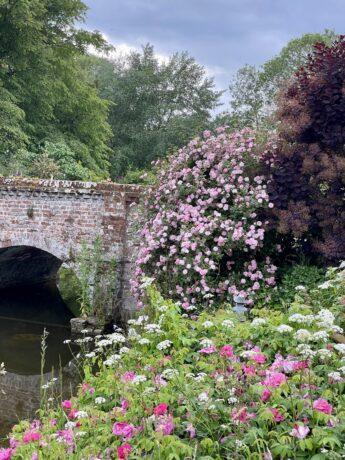
The rose growing on the wall leading to the Potting Shed is Phyllis Bide. Described by Peter Beales as one of their Rosarians favourite ramblers thanks to its beautiful colour, shade tolerance and hardy repeat-flowering nature. Look at it growing by the bridge where it complements beautifully the Honeysuckle growing there.

The Greenhouse has been emptied of over wintering plants and our Tomatoes (Marmande) planted.

The Catmint lining the Iris bed is a mass of Bumble Bees.

We are still waiting for all the Daffodils to die back before we cut but they have been fed B.F.B and this recent rain will have watered that in.

The Bog Garden has its Water Iris in flower and Zantedeschia lining the edge. Amongst them, in addition to the white flowers some have green markings this is Green Goddess.

Hemerocallis and Hosta are in flower lining the path by the stream. There are 3 different types of Hosta and the quantity has been achieved by lifting and dividing.

Roses, Roses, Magnificent Roses. And what a year for roses! A map on a tea towel is for sale in the Coffee Shop if you want to identify your favourite- but how do you choose?  Most of our 104 varieties are repeat flowering but not the salmon-pink rose on the wall of the Hall. It is Albertine, a fragrant rambler bred in France in 1921 which has been growing on this wall since before 1993.

The early heat has caused many plants to flower early and we are at a stage in the flower beds of “betwixt and between” i.e. some plants are going over and others have not yet summoned the energy to rise up and take over the space ; whilst some shrubs have finished flowering and need pruning attention to encourage next year’s growth. A dangerous time to put a fork in the ground if you do not know what’s underneath!!

The gravel garden at the bottom of the West lawn is full of colour. The plants are mainly self-seeded- with some surprises appearing. All we need to do is stop the dominance of one plant over the others.  This has not happened in the Wild Garden where you will see the Ox Eye Daisy has completely taken over. The Wild Garden is for Spring colour with Fritillaria, Snowdrops, Aconites and Anemone Blanda and A. Nemerosa. The Ox Eye Daisy at this time of year presents them no threat and will be cut down when that area gets its annual cut in August.

Don’t miss the Liriodendron beside the huge Copper Beach on the drive. It is currently in flower, and this tree does not flower before the tree is 25years old. The flowers are tulip shaped, hence its common name of tulip tree, and difficult to spot from a distance

Over 40 birds have been spotted in the gardens- the list is in the Coffee Shop and please add if you see any more. The Hebridean Sheep are mowing the Car Park, Muntjac , Rabbits, Squirrels, Bees all in evidence.

Stay healthy and good gardening

Lynda Tucker

Visit our Facebook page for further updates and photography
Visit our Instagram page for further updates and photography